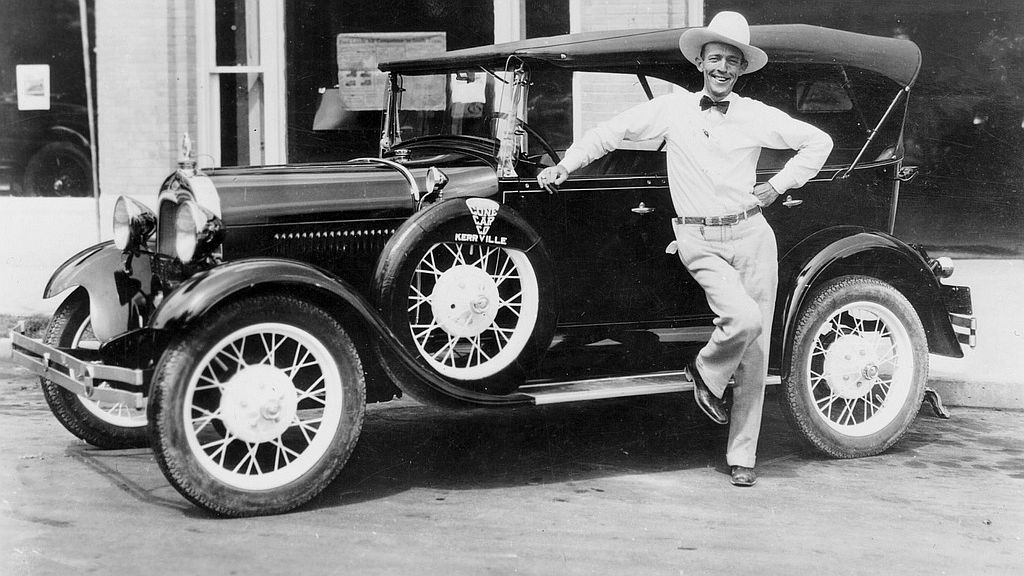
“Waiting For A Train” is a full-length, two-act stage musical chronicling the final thirteen years of Rodgers’ life, from his early relationship with Carrie Williams through his rise to international fame and his final recording sessions in New York City in 1933. Through the eyes of legendary record producer Ralph Peer, the musical brings to life Jimmie’s relationships with his wife Carrie, their daughter Anita, and the people who shared his remarkable journey. Along the way, audiences experience the humor, ambition, triumphs, and heartbreak of a man whose love of music remained undiminished even as his health deteriorated.
Featuring a rich collection of songs associated with Jimmie Rodgers, “Waiting For A Train” is more than a musical tribute. It is an intimate and often entertaining portrait of a husband, father, and pioneering entertainer whose influence extended far beyond his lifetime. Conceived with flexible staging and musical presentation in mind, the production offers community and regional theaters an opportunity to tell a genuinely American story filled with warmth, memorable music, and deeply human emotion.
| Licensing opportunities will be available soon, but in the meantime, listen to some representative songs as featured in the musical. |
| About These Recordings The following selections are offered here as representative examples of select songs featured in various scenes of the “Waiting For A Train” musical. They’re intended for familiarization only and not to define a performance’s styling. It’s assumed each theatre would develop its own interpretations, instrumentations, and arrangements in keeping with the dramatic mood of each scene and music intent. |